
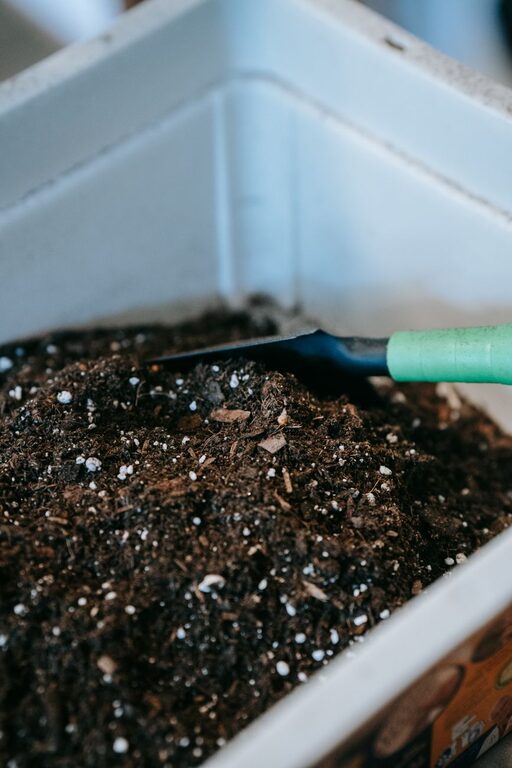
Composting at home is a wonderful way to reduce kitchen and garden waste while creating nutrient-rich soil for your plants. If you’re new to composting, it can seem a little overwhelming at first. But with a few simple tips and a little patience, you can start turning scraps into black gold in no time. This guide will help you understand the basics and get started with composting right in your backyard or even on your balcony.
What is Composting?
Composting is the natural process of recycling organic matter, such as food scraps and yard waste, into a valuable soil amendment known as compost. This compost improves soil health, retains moisture, and provides nutrients for plants, reducing the need for chemical fertilizers.
Why Compost at Home?
– Reduces Waste: Composting keeps food scraps and yard waste out of landfills, which helps reduce methane emissions.
– Improves Soil: Compost adds valuable nutrients to your soil, enhancing plant growth.
– Saves Money: By creating your own compost, you save on buying commercial fertilizers.
– Supports the Environment: Composting promotes healthy ecosystems and reduces waste-related pollution.
—
Getting Started: Beginner Tips for Composting
1. Choose the Right Composting Method
Depending on your space and lifestyle, you can select from several methods:
– Compost Bin or Tumbler: Ideal for backyard composting; keeps things tidy and speeds up decomposition.
– Compost Pile: Simply pile materials in a corner of your yard; requires more space and maintenance.
– Vermicomposting: Uses worms to break down food scraps; perfect for indoor composting or small spaces.
– Bokashi: A fermentation method that processes kitchen waste quickly and can be used indoors.
Start with a method that suits your available space and how much effort you want to put in.
2. Find a Good Location
Place your compost bin or pile in a spot that is:
– Well-drained
– Partially shaded (to keep it from drying out)
– Easily accessible for adding materials and turning the compost
3. Understand What to Compost
Compostable materials are divided into two categories:
– Greens (Nitrogen-Rich Materials): Fruit and vegetable scraps, coffee grounds, grass clippings, fresh leaves.
– Browns (Carbon-Rich Materials): Dry leaves, shredded paper, cardboard, straw, wood chips.
Aim for a balance of roughly 2 to 3 parts browns to 1 part greens. This balance helps speed up decomposition and reduces odors.
4. Avoid These Items
Certain materials should not go into your compost because they can attract pests, cause odors, or introduce diseases:
– Meat, fish, dairy products, and oils
– Diseased plants or weeds with seeds
– Pet waste
– Treated wood or synthetic materials
—
How to Maintain Your Compost
1. Turn or Mix the Compost Regularly
Aeration helps microbes break down the materials efficiently. Use a garden fork or compost aerator tool to turn your compost every 1-2 weeks.
2. Monitor Moisture Levels
Your compost should be about as moist as a wrung-out sponge. If it’s too dry, add water or more greens; if it’s too wet, add browns or turn it more often.
3. Be Patient
Composting is a natural process that can take anywhere from a few months to a year depending on conditions and materials. You’ll know it’s ready when the compost is dark, crumbly, and smells earthy.
—
Tips for Success and Troubleshooting
– Use a Variety of Materials: Different ingredients break down at different rates, so variety helps create balanced compost.
– Chop or Shred Waste: Smaller pieces decompose faster.
– Avoid Overloading: Adding too much green material at once can cause a smelly, slimy compost.
– Keep Pests Away: Cover food scraps with browns and secure your bin lid.
– Troubleshoot Odors: A strong ammonia or rotten smell means you need more browns or better aeration.
—
How to Use Finished Compost
Once your compost is ready, use it to:
– Enrich garden beds and flower pots
– Mulch around trees and shrubs
– Mix into potting soil for houseplants
– Topdress lawns to improve soil health
—
Conclusion
Composting at home is easier than you might think! By following these beginner tips, you can reduce waste, improve your garden’s soil, and contribute to a healthier environment. Start small, be patient, and enjoy the process of turning kitchen scraps and yard waste into valuable compost.
Happy composting!