
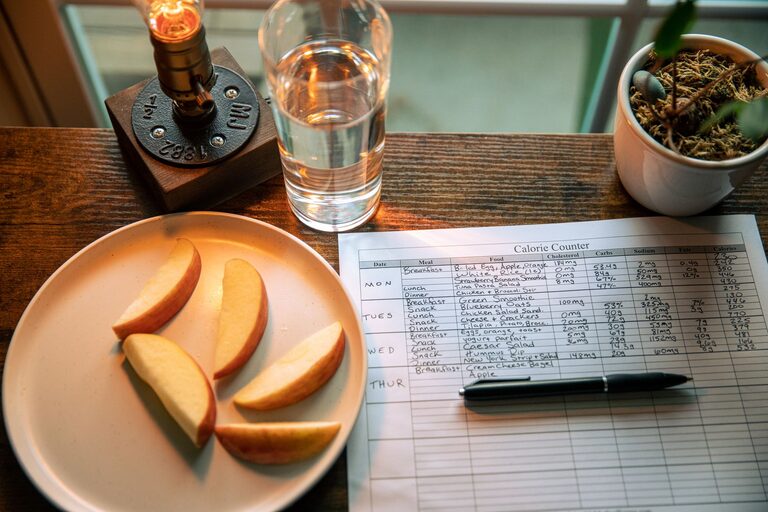
Eating balanced meals is essential for maintaining good health and energy throughout the day. Yet, planning these meals can sometimes feel overwhelming, especially with busy schedules and countless food choices. The good news is that with a few simple strategies, you can plan nutritious meals without stress, making healthy eating both achievable and enjoyable.
What Is a Balanced Meal?
Before diving into planning, it’s helpful to understand what a balanced meal entails. A balanced meal typically includes:
– Proteins: Essential for muscle repair and overall body function. Examples include lean meats, beans, tofu, eggs, and dairy.
– Carbohydrates: The body’s main energy source. Choose whole grains, fruits, and vegetables for added fiber and nutrients.
– Fats: Important for brain health and hormone production. Opt for healthy fats like avocados, nuts, seeds, and olive oil.
– Vitamins and minerals: Found in fruits, vegetables, and whole foods, these support various bodily functions.
A balanced plate often looks like half vegetables and fruits, one-quarter protein, and one-quarter whole grains, complemented by a small portion of healthy fats.
Step 1: Start with a Meal Plan Template
Creating a meal plan doesn’t have to be complicated. Begin with a simple weekly template:
– Days of the week: List the days across the top or side.
– Meals: Label columns or rows for breakfast, lunch, dinner, and snacks.
– Space for notes: Allow room to jot down ingredients or special occasions.
Having this visual layout helps organize meals and reduces the guesswork later.
Step 2: Build Your Grocery List Around Staples
Keep a list of staple ingredients that you always have on hand. These basics make it easier to throw together balanced meals:
– Whole grains (brown rice, quinoa, whole wheat pasta)
– Canned beans or lentils
– Frozen vegetables and fruits
– Eggs and dairy or plant-based alternatives
– Nuts, seeds, and healthy oils
– Lean proteins (chicken breast, fish, tofu)
Stocking these staples means you won’t need last-minute trips to the store, which often add to stress.
Step 3: Plan Meals Based on Your Schedule
Consider your daily routine:
– Busy days: Opt for quick meals like salads with pre-cooked protein, vegetable stir-fries, or one-pan dishes.
– Relaxed days: Use more time-intensive recipes that you enjoy.
– Leftover days: Plan to use leftovers creatively, such as turning grilled chicken into a wrap or a casserole.
Adapting your meal plan to your schedule helps keep it realistic and doable.
Step 4: Mix and Match Ingredients
To keep meals interesting and balanced, try mixing different ingredients:
– Combine various proteins with your favorite grains and veggies.
– Experiment with herbs and spices to add flavor without extra calories.
– Swap out ingredients based on what you have available to reduce waste.
For example, a bowl with quinoa, roasted vegetables, chickpeas, and avocado can be a satisfying balanced meal.
Step 5: Prep Ahead When Possible
Meal prepping can save time and reduce stress during the week:
– Wash and chop vegetables in advance.
– Cook grains or proteins in batches.
– Portion out snacks like nuts or cut fruits.
Preparing some ingredients ahead means you can assemble meals quickly when hunger strikes.
Step 6: Use Simple Recipes and Tools
Stick to recipes with few ingredients and straightforward steps, especially when just starting out. Tools like slow cookers, air fryers, or sheet pans can simplify cooking:
– Slow cooker chili with beans and lean meat
– Sheet pan salmon with vegetables
– Stir-fry with tofu and mixed veggies
These meals often require minimal hands-on time and clean-up.
Step 7: Listen to Your Body and Enjoy Your Food
Balanced eating isn’t just about nutrients—it’s also about listening to hunger cues and enjoying your food. Don’t stress over perfection:
– Eat when you’re hungry and stop when you’re full.
– Allow treats in moderation; balance is about overall habits.
– Focus on meals that satisfy both your body and your taste buds.
Sample Balanced Meal Plan for a Day
Breakfast: Greek yogurt with fresh berries, a sprinkle of nuts, and a drizzle of honey.
Lunch: Whole grain wrap with grilled chicken, mixed greens, avocado, and a light vinaigrette.
Snack: Apple slices with almond butter.
Dinner: Baked salmon, quinoa, and steamed broccoli with lemon juice and olive oil.
Dessert (optional): A small piece of dark chocolate or fruit salad.
Final Tips for Stress-Free Balanced Meal Planning
– Keep meals simple and flexible.
– Involve family members or roommates in planning and cooking.
– Don’t be afraid to repeat favorite meals.
– Use online resources or meal planning apps for inspiration.
– Remember that planning is a skill that improves over time.
By following these steps, meal planning can become a smooth part of your routine, helping you eat well without added stress. Try starting with one or two meals a week and build from there—small changes can make a big difference!